
The life of Pablo Picasso
Barcelona and Pablo Picasso (1881) are inextricably connected: not only did the artist complete his academic training here, it is also where he took his first steps towards modernism. The Museu Picasso displays the artist’s most important earlier works – stemming from the period when Picasso worked and lived in his beloved ‘Barça’.
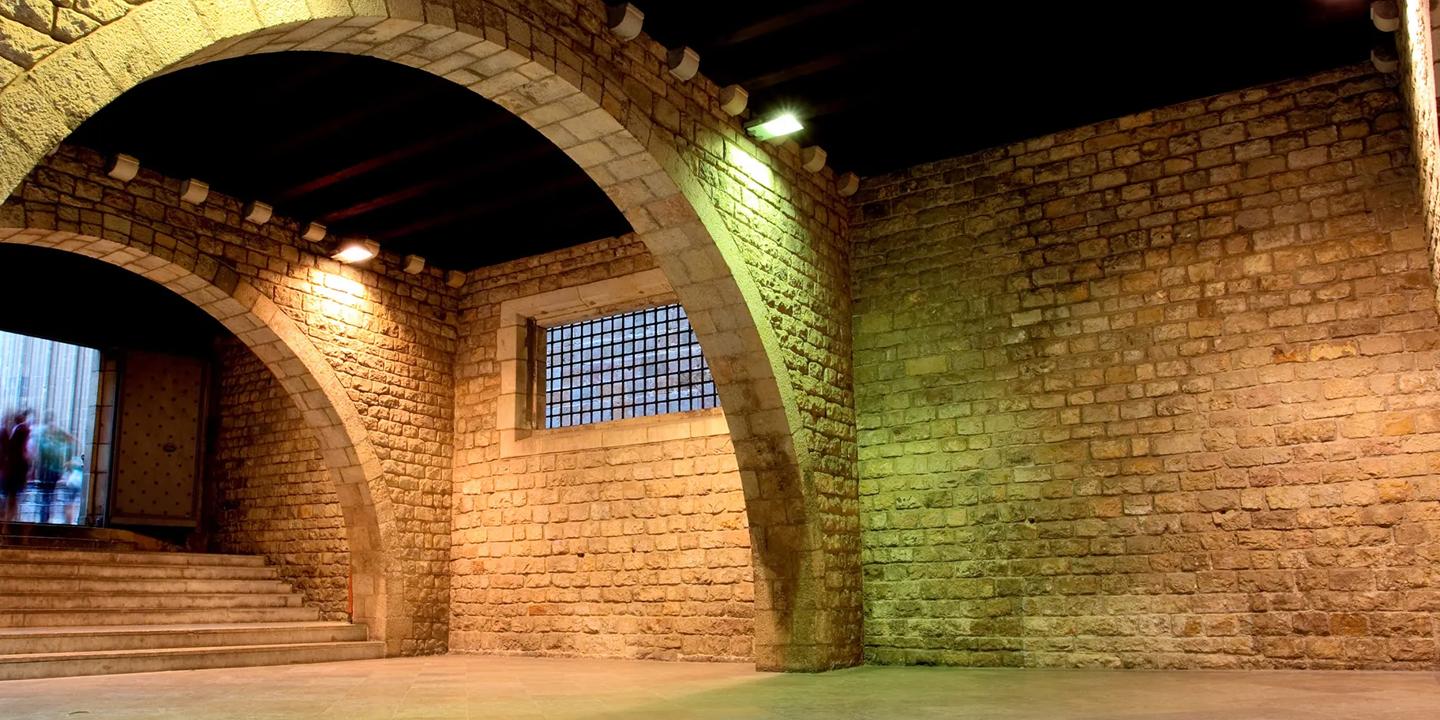
Rooms filled with art treasures
Considering it has 35 rooms spread over 3 floors filled with works by Picasso, it's easy to see why the Museu Picasso draws such large numbers of visitors every day of the year. The museum focuses primarily on the artist’s earlier works, which he made when he lived in Barcelona. The very setting of the Museu Picasso is already a sight to be seen: it consists of 5 connected merchant houses from the 13th to 15th century. The permanent collection is on display in Palau Aguilar, Palau del Baró de Castellet and Palau Meca; Casa Mauri and Palau Finestres house temporary exhibits. Picasso dreamed of having his own museum in Barcelona. His good friend and personal secretary Jaume Sabartés Gual made this dream come true; together with the city of Barcelona, he planned this exceptional museum that was inaugurated in 1963.
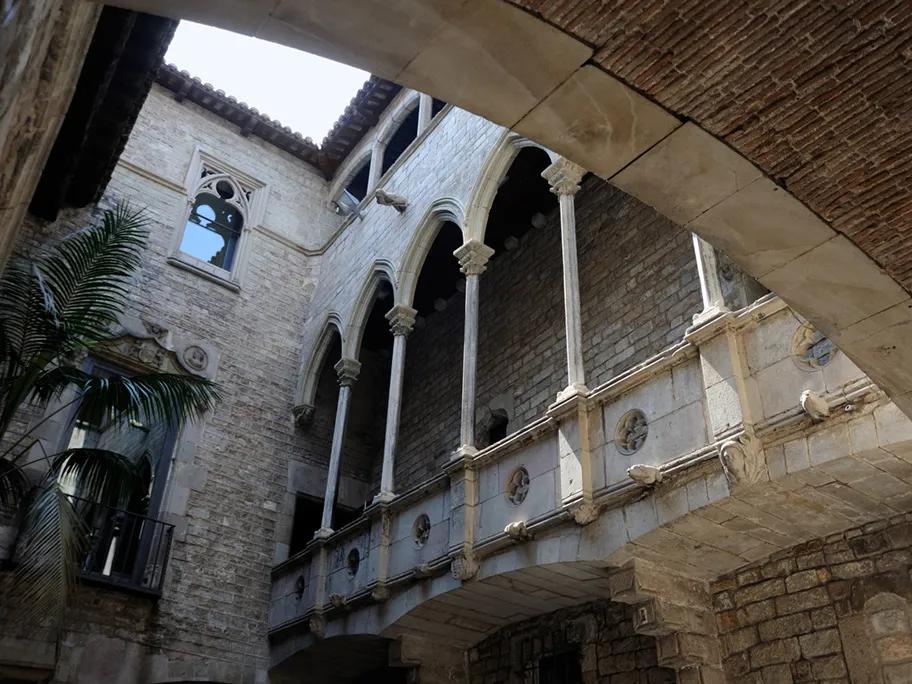
From Barcelona to Paris
The first rooms of the museum are dedicated to a collection of Picasso's first oil drawings and sketches from 1893; these already clearly show the young Picasso’s talent. Especially Retrato de la Tía Pepa (Portrait of Aunt Pepa) from 1896 reveals the enormous maturity of his painting style, when considering Picasso was only 15 years old when he painted it. The following rooms display works from Picasso's early years in Paris, where he spent much of the rest of his life. From room 8 onwards, the collection shows work from Picasso's Blue Period: between 1900 and 1904, the artist painted melancholic scenes, using mostly shades of blue.
Project Las Meninas
One of the highlights of the museum is the series Las Meninas (The ladies-in-waiting). In 1957, Picasso spent 5 months studying Las Meninas by Diego Velázquez, a 17th-century painter. It drove him to create as much as 58 paintings inspired by this masterpiece. Picasso painted the composition or parts of Las Meninas in a cubist style; he moved the original figures and played with the colours. From what can be read from L’atelier de Picasso, Picasso said that he worked until ‘the Velázquez Meninas disappeared and my own Meninas emerged’. The book L’atlier de Picasso was written by Picasso's close friend Jaume Sabartés Gual and published in 1952 – so there is probably some truth behind the quote.
Related articles
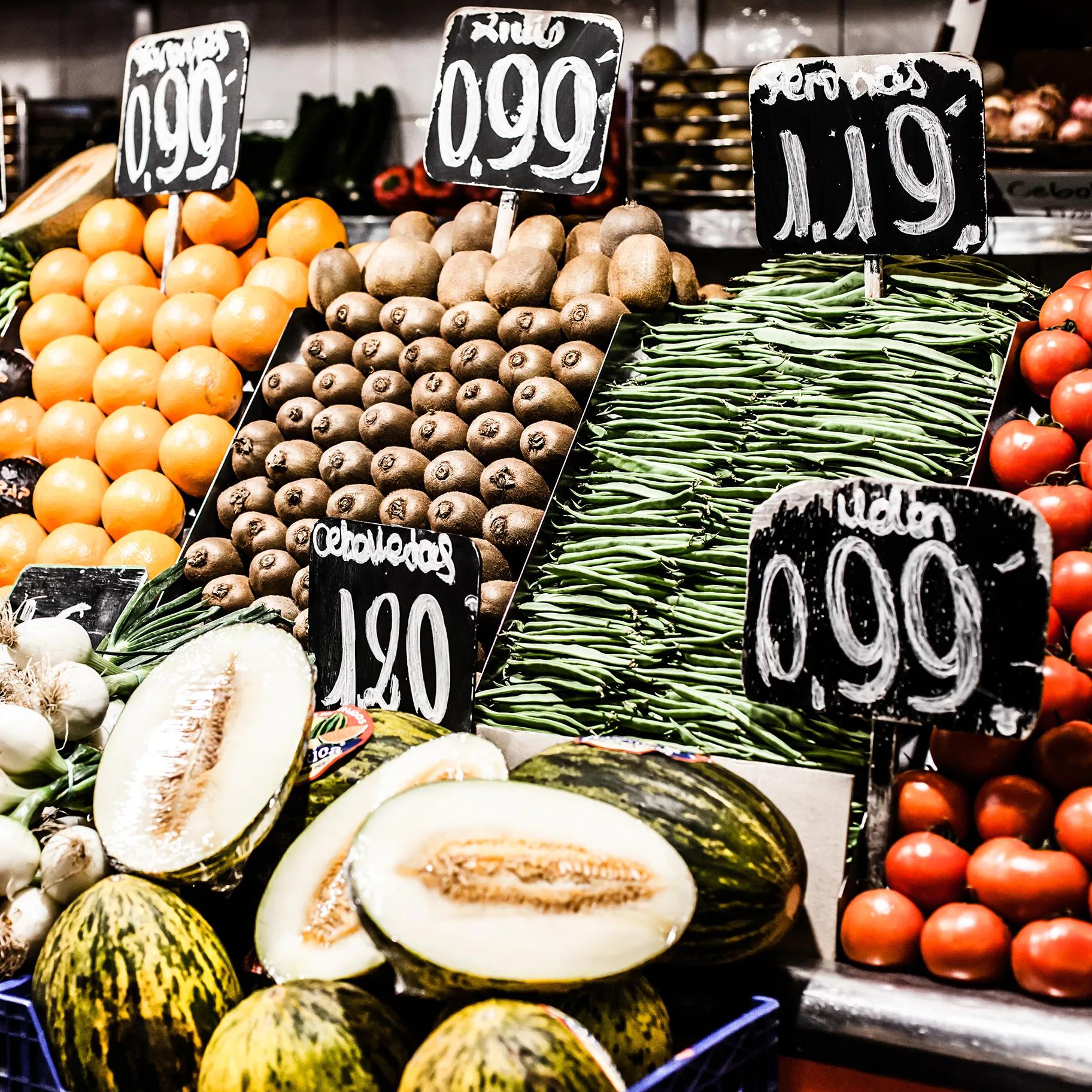
Culinary
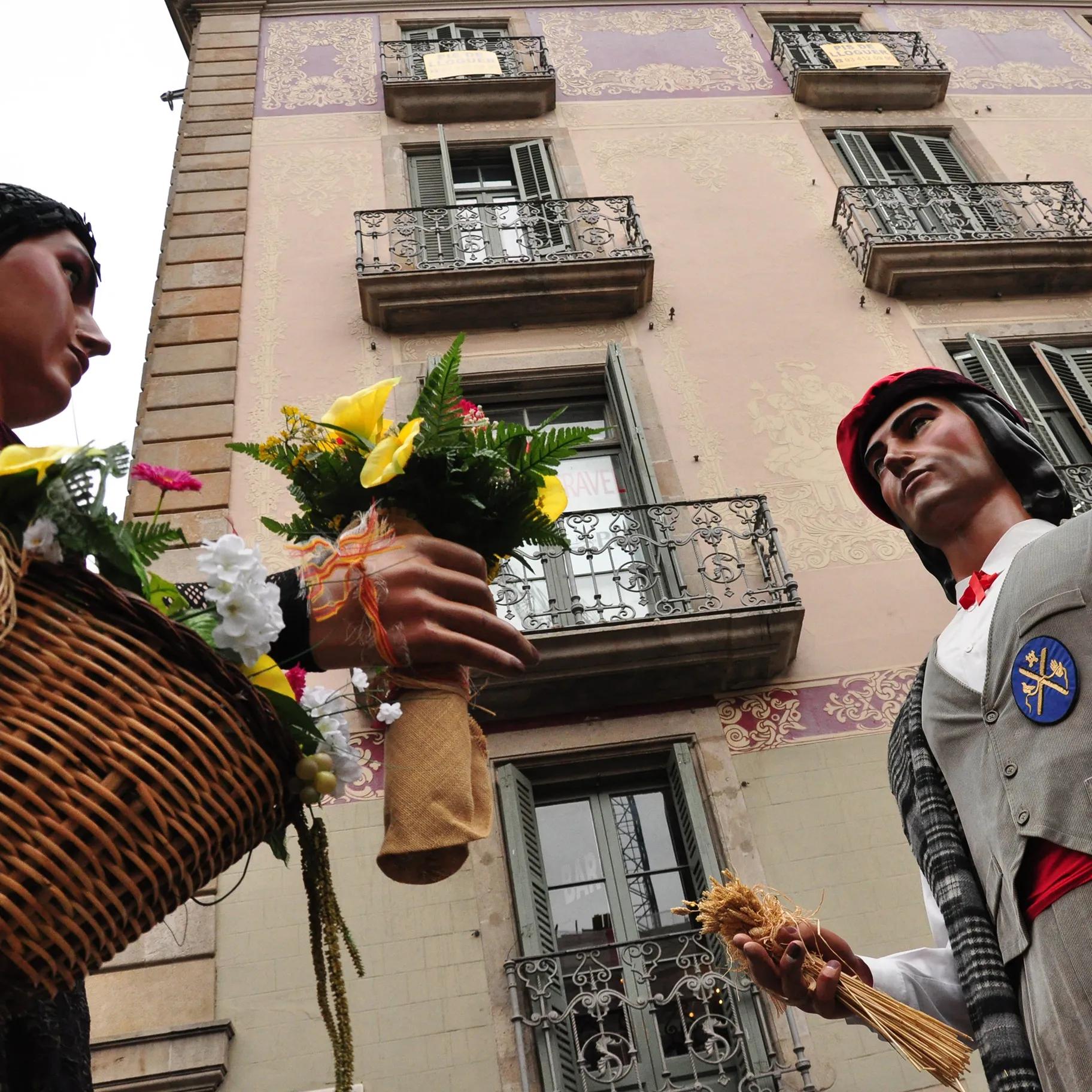
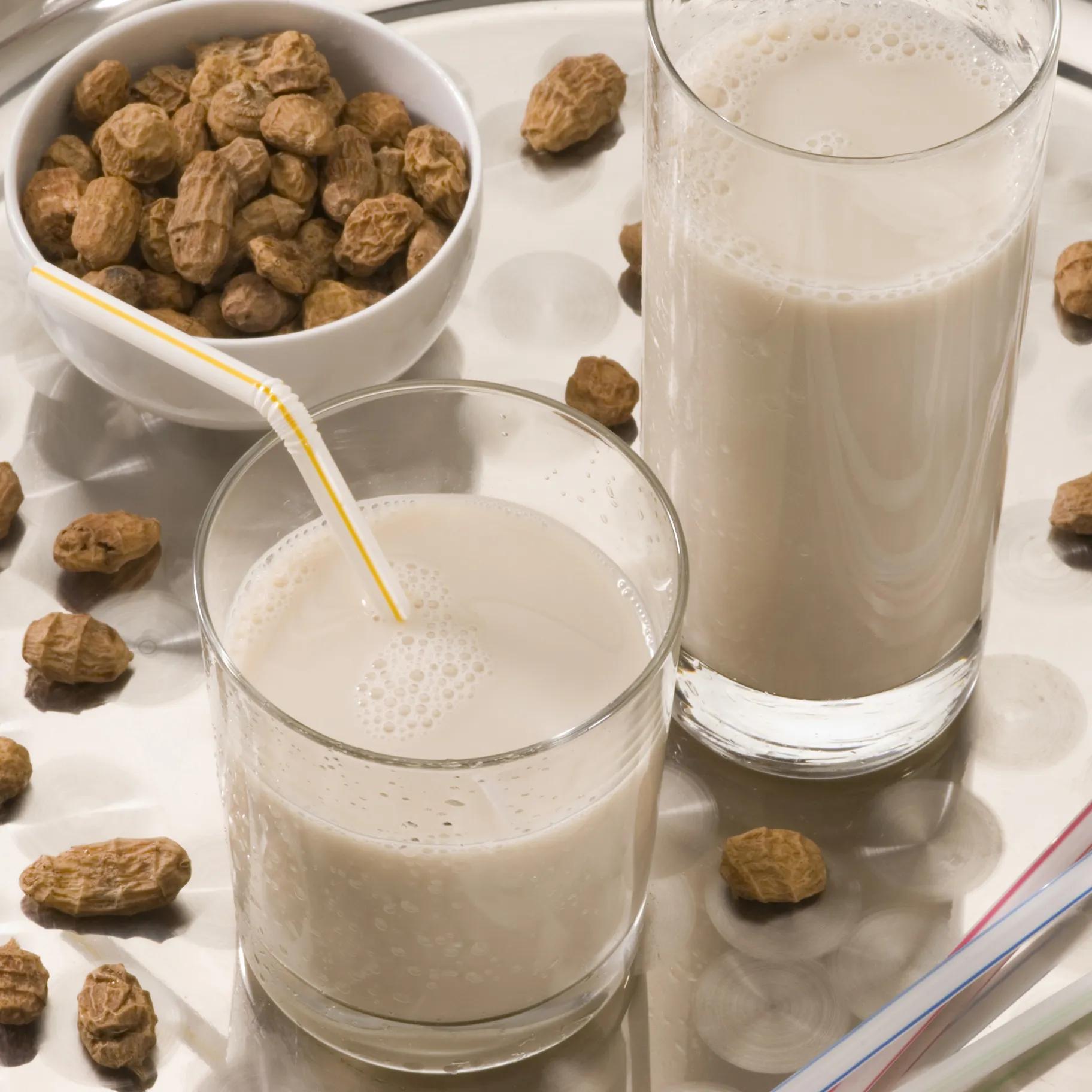
To discover the soul of the Barcelonans, it’s best to eat one’s way through Barcelona. From farmhouse cheese to molecular gastronomy, the versatile flavours of Catalonian cuisine tell the turbulent story of the region. The Visigoths, the Moors and the French have all occupied this fertile area on the Mediterranean Sea over the past centuries, and they have all left their mark as the tastes in Barcelona’s markets make clear.
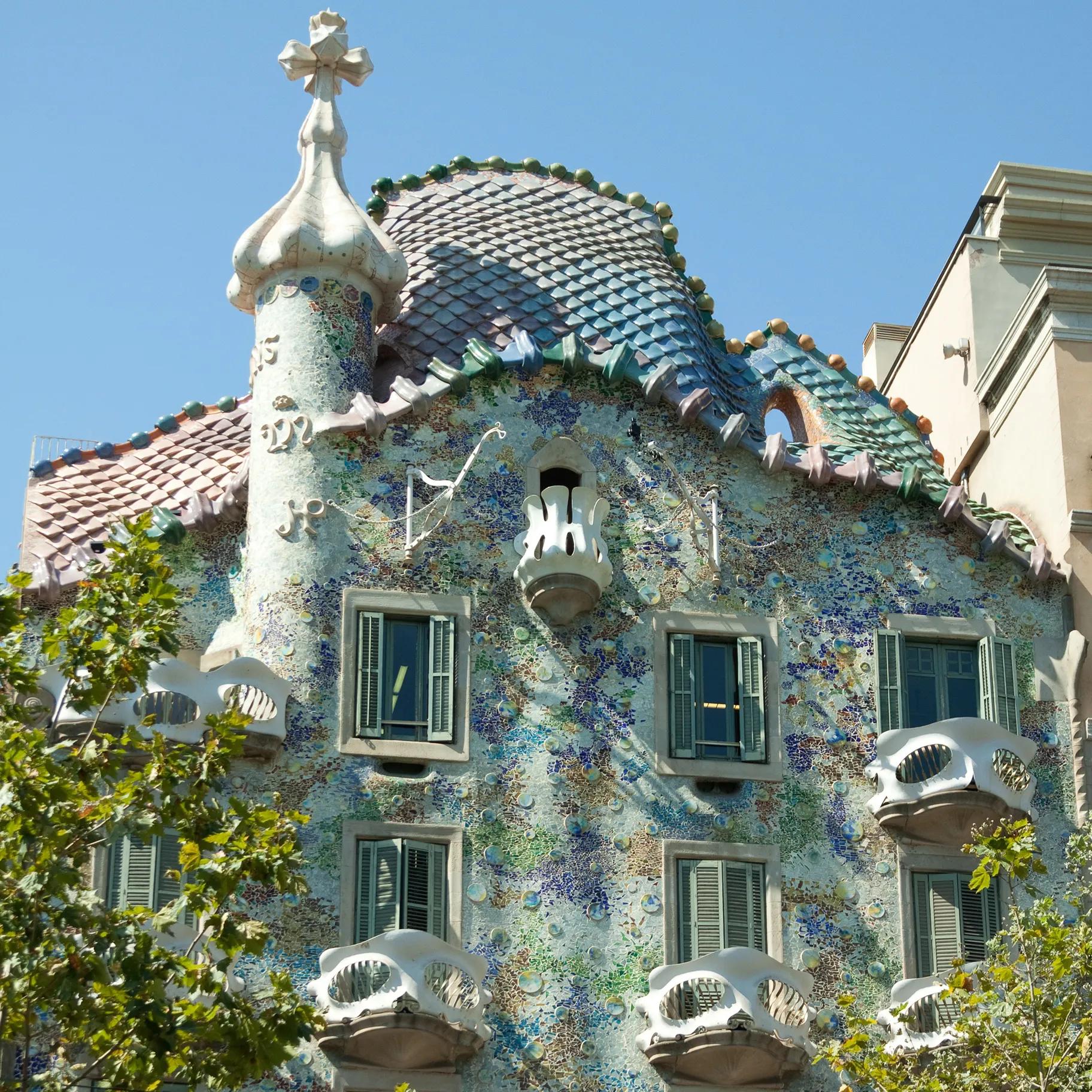
Arts & Culture
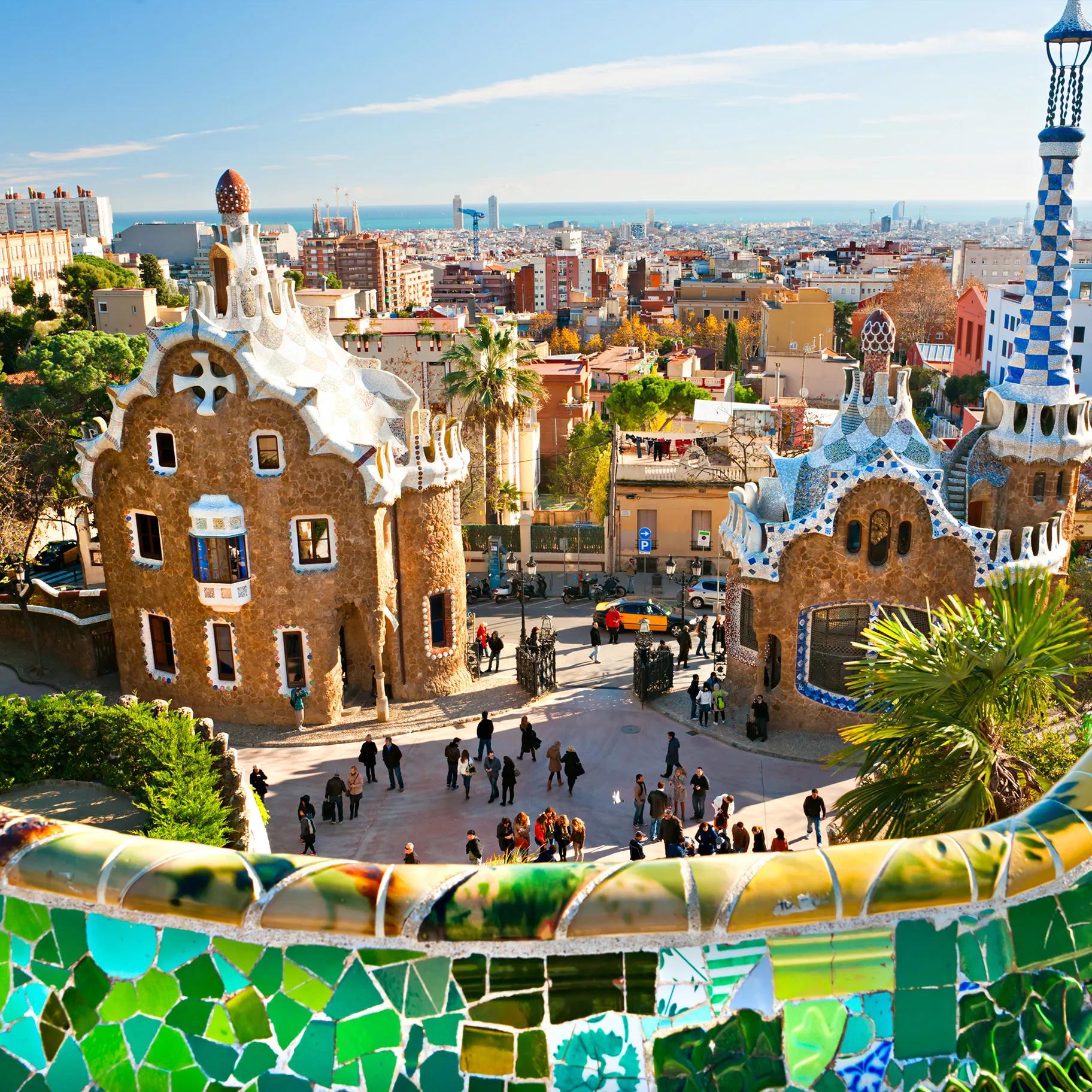
If you walk along the Passeig de Gràcia boulevard you can’t miss it: the colourful façade of Casa Batlló. The building’s frontage invites closer inspection. With its playful round windows and scaly roof, it has the aura of a fairytale castle. Its shapes and lines immediately reveal the identity of its creator: Antoni Gaudí, Barcelona’s most celebrated modernistic architect.

Discover other destinations in Europe
*The displayed prices are for one adult. All amounts are in EUR. Taxes and surcharges are included. No booking fee is applicable, but a payment surcharge may apply. Prices shown may vary depending on fare availability.
The weather forecast information is provided by World Weather Online. Air France-KLM is not responsible for the reliability of this data.