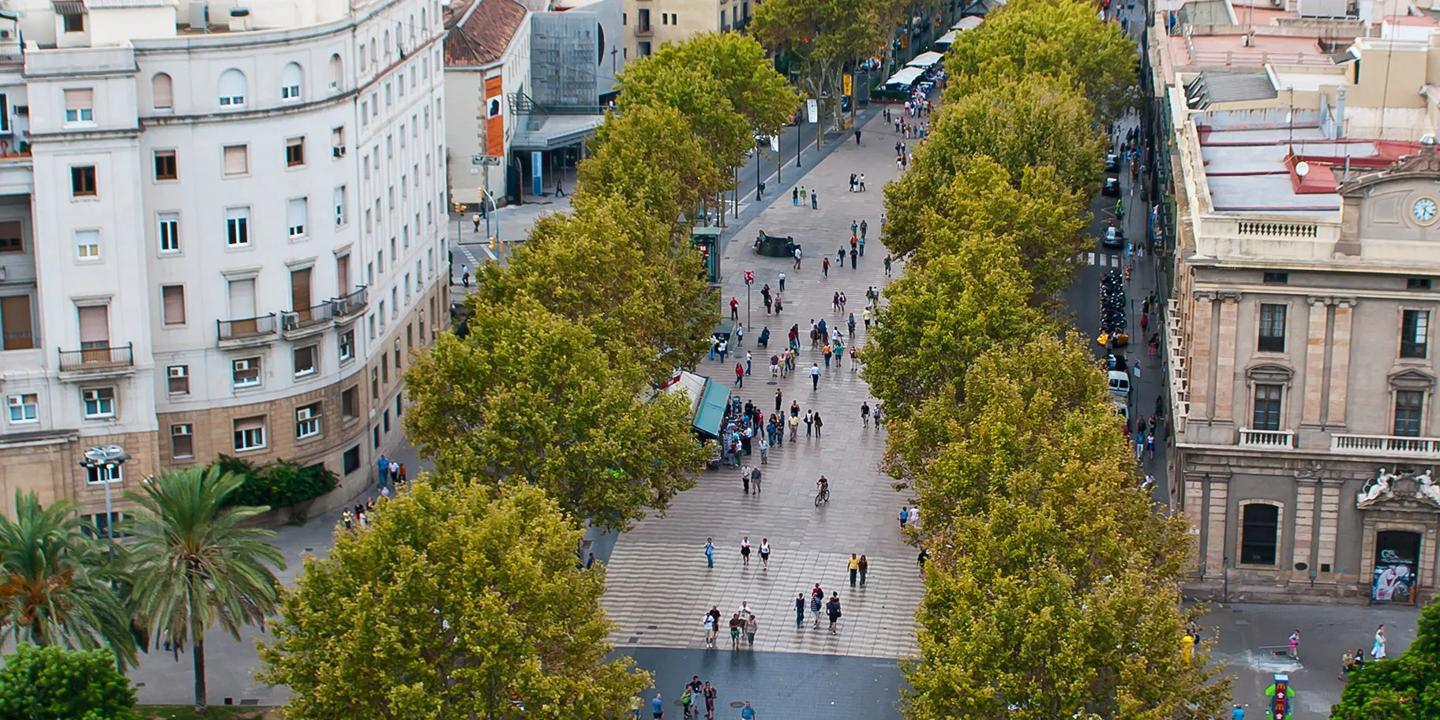
See and be seen on La Rambla
La Rambla is the busiest pedestrian street in Barcelona and immensely popular with both tourists and locals. The 1.2-kilometre-long street is completely car-free and lined with tall trees. La Rambla offers a huge range of kiosks, stalls and street artists and is Barcelona’s liveliest and most vibrant street from early morning to late at night.
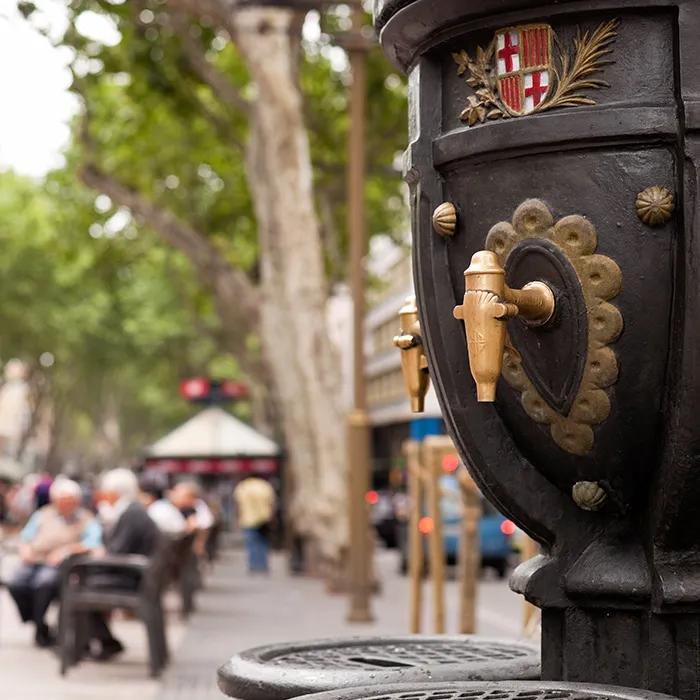
At the beginning of La Rambla
La Rambla begins at Plaça de Catalunya and La Rambla de Canaletes, named after the 19th-century Canaletes fountain. The Spanish expression 'he drinks water from Canaletes' means that someone is from Barcelona – legend says that anyone who drinks from the fountain will keep coming back to this city. Next comes La Rambla dels Estudis, named after a 16th-century university (the Estudi General), which was demolished in 1843. This area includes several interesting buildings, such as La Reial Acadèmia de Ciències i Arts. The royal academy displays the city’s first public clock.
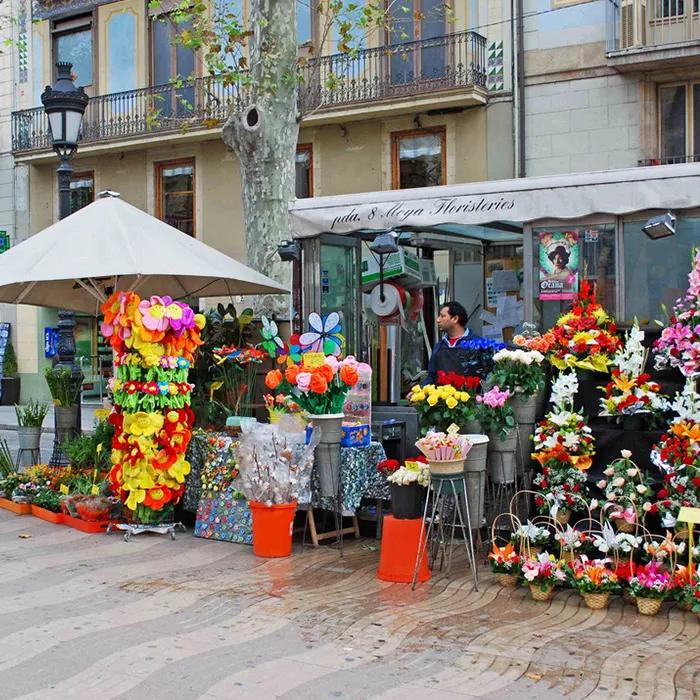
La Rambla de Sant Joseph
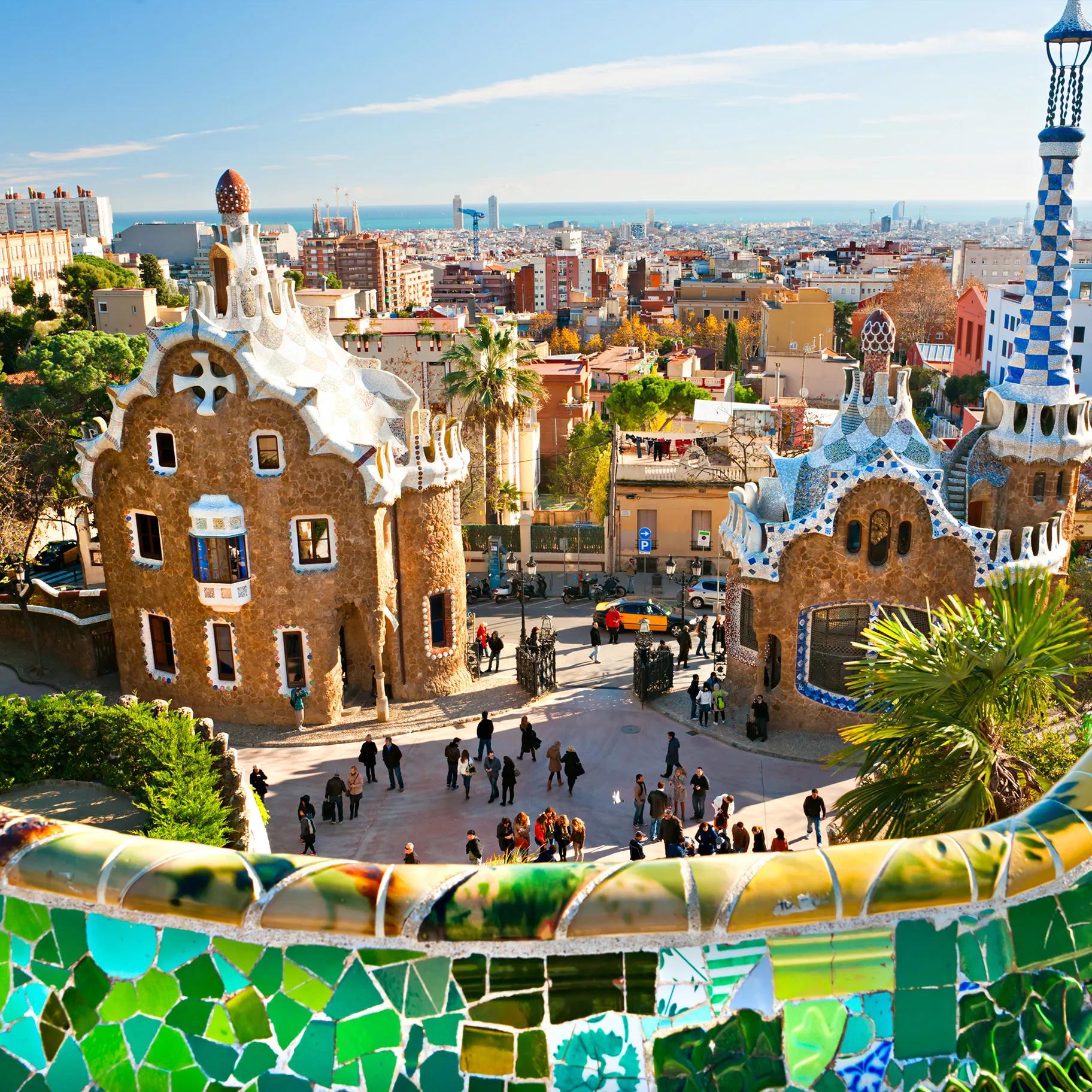
La Rambla de Sant Joseph is named after a demolished monastery, but it is better known as La Rambla de los Flors (the flower Rambla). This part of La Rambla ends in a small square called Plaça de la Boqueria- , which contains a mosaic by famous Barcelona artist Joan Miró. La Rambla dels Caputxins, which was named after the former Capuchin monastery, boasts several highlights: the Catalan Modernist Gran Teatre del Liceu, and access to Plaça Reial, a 19th-century square designed by Antoni Gaudí. On the other side of La Rambla, in the side street Nou de la Rambla, stands one of Gaudí's first residential buildings: the fabulously beautiful Palau Güell. The parabolic shapes give a taste of Gaudí's later work, such as Park Güell.
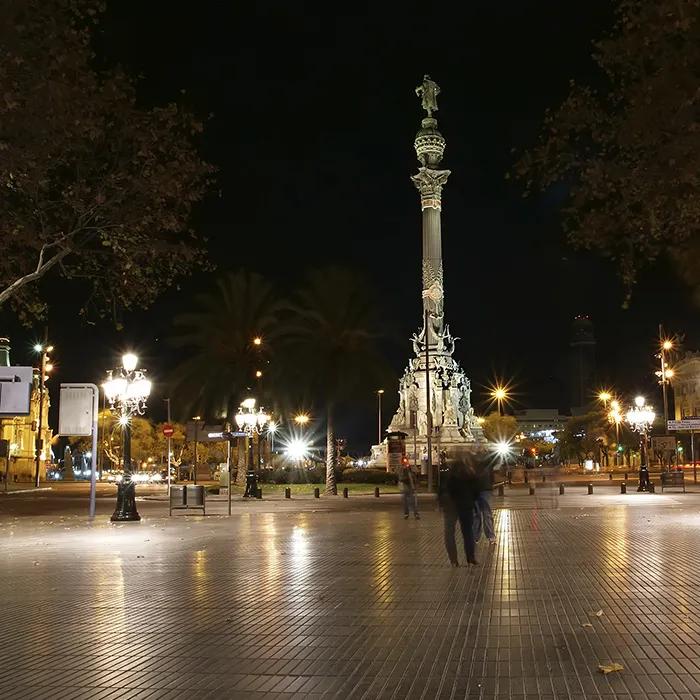
La Rambla de Santa Monica
The last part of the street is called La Rambla de Santa Monica, named after a monastery that was transformed into a museum: the Centre d'Art Santa Mònica. This Rambla leads to a roundabout, with in its centre the roughly 60-metre-high Columbus Monument. At the very end of the 5 Ramblas, you will find the Maremagnum: a complex with shops, an Imax theatre and even an aquarium.
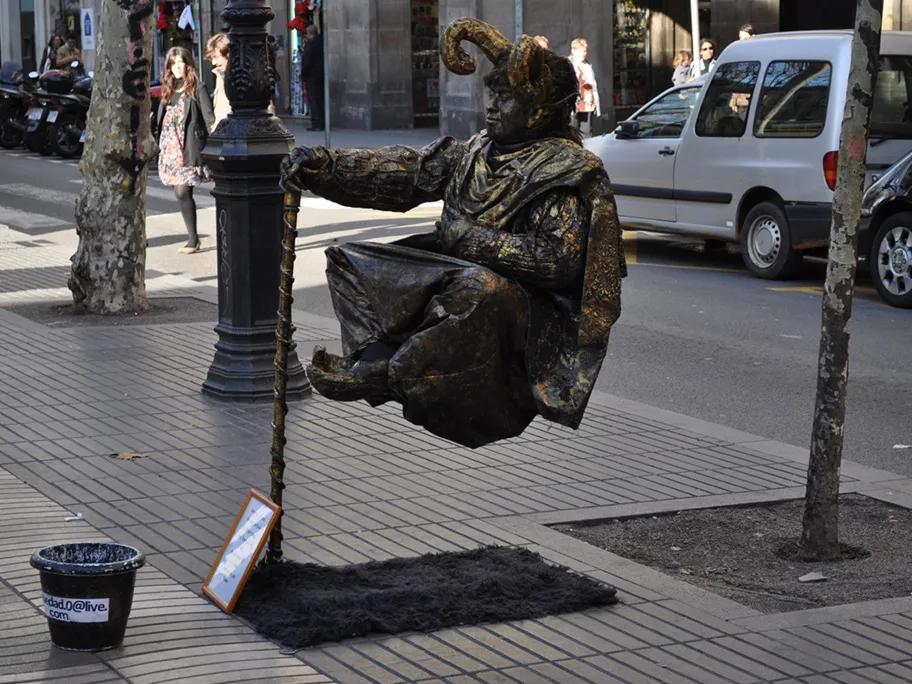
From street performers to pet shops
Las Ramblas form the heart of the bustling inner city of Barcelona. Spend a wonderful afternoon or evening with a jug of sangria on one of the many outdoor patios. Talented street artists exhibit their art, offering countless photo opportunities and a vibrant atmosphere. The long street counts a wide variety of souvenir shops, (tapas) restaurants, hotels, supermarkets and clothing stores. Perhaps more unusual, but also very popular, are the pet shops that sell birds.
Related articles
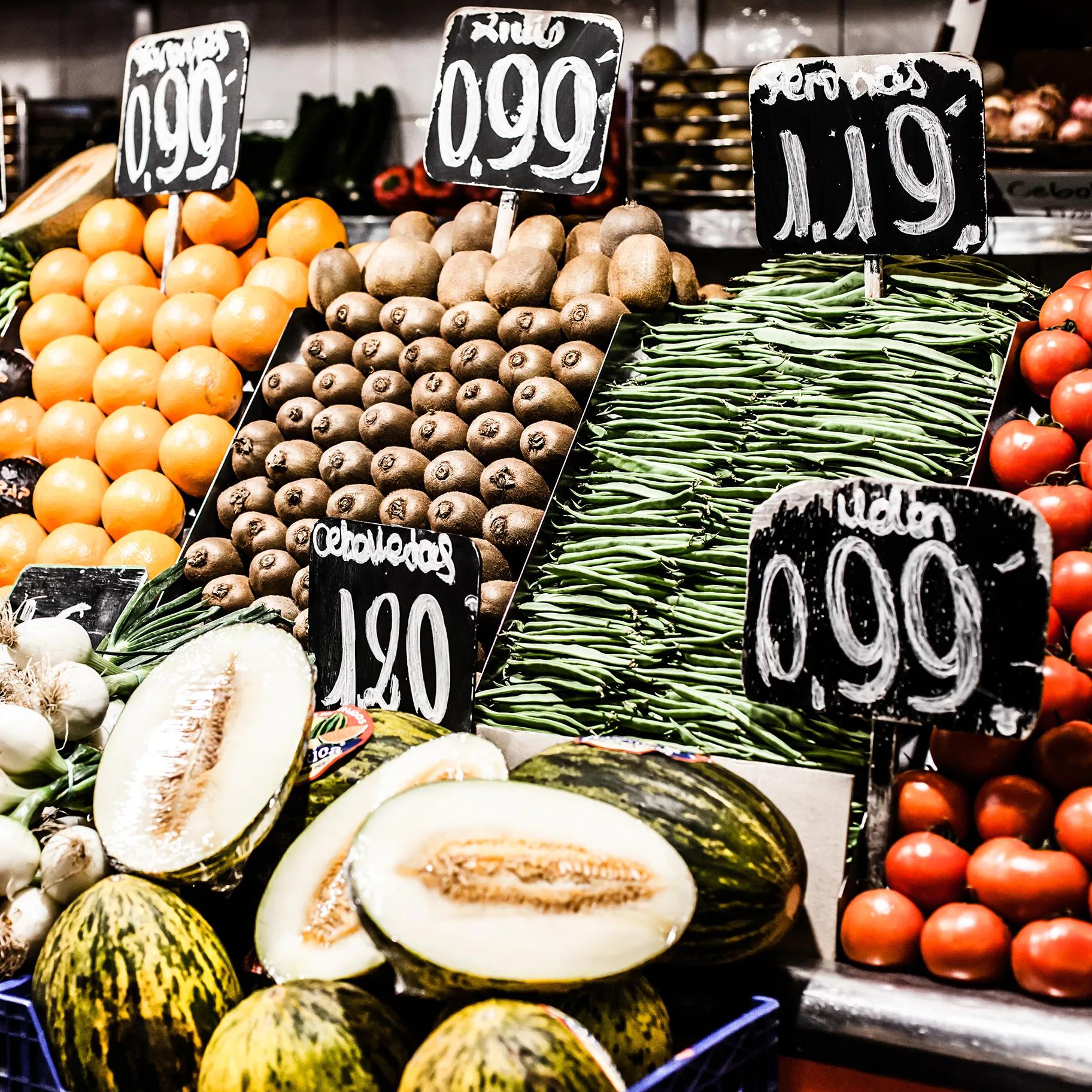
Culinary
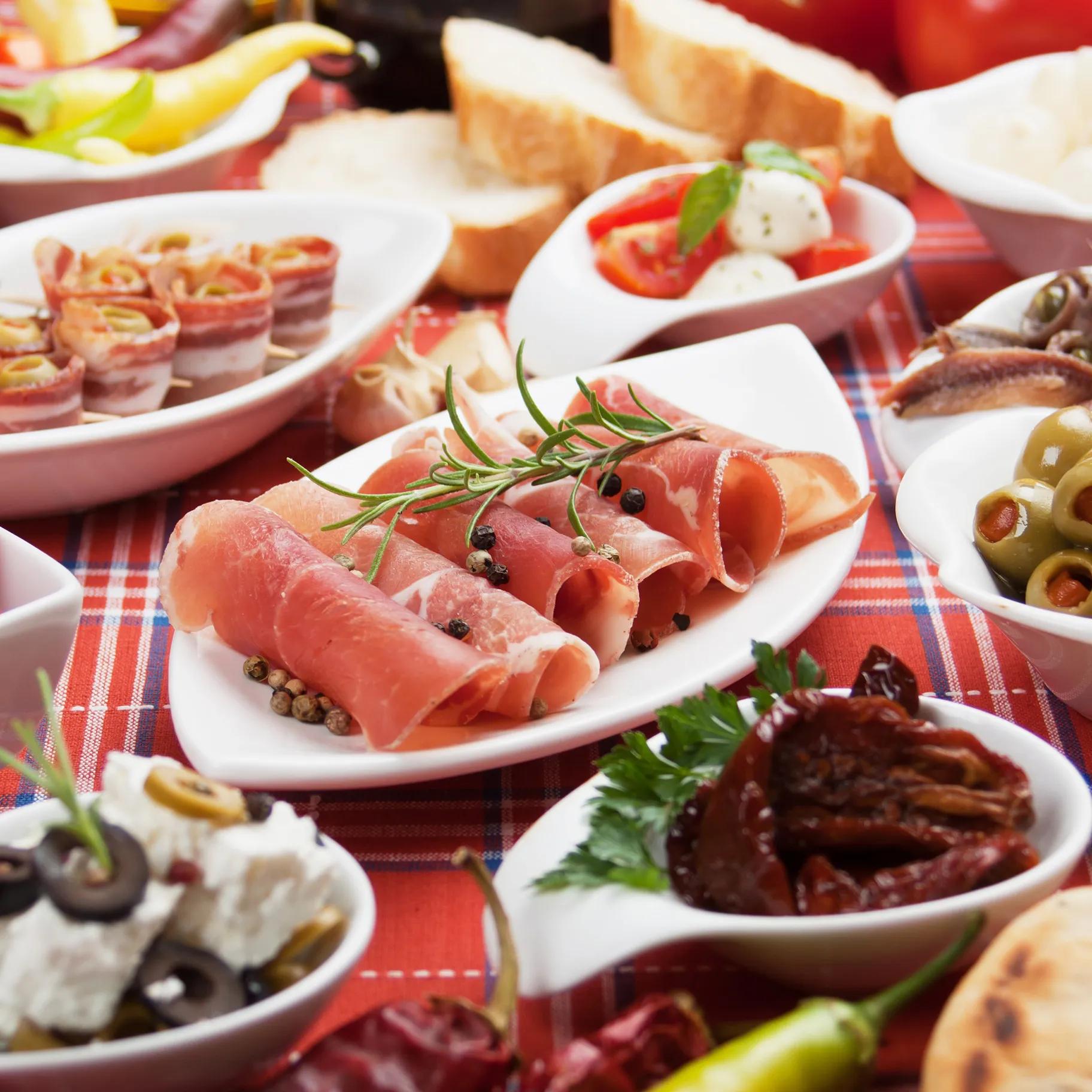
To discover the soul of the Barcelonans, it’s best to eat one’s way through Barcelona. From farmhouse cheese to molecular gastronomy, the versatile flavours of Catalonian cuisine tell the turbulent story of the region. The Visigoths, the Moors and the French have all occupied this fertile area on the Mediterranean Sea over the past centuries, and they have all left their mark as the tastes in Barcelona’s markets make clear.
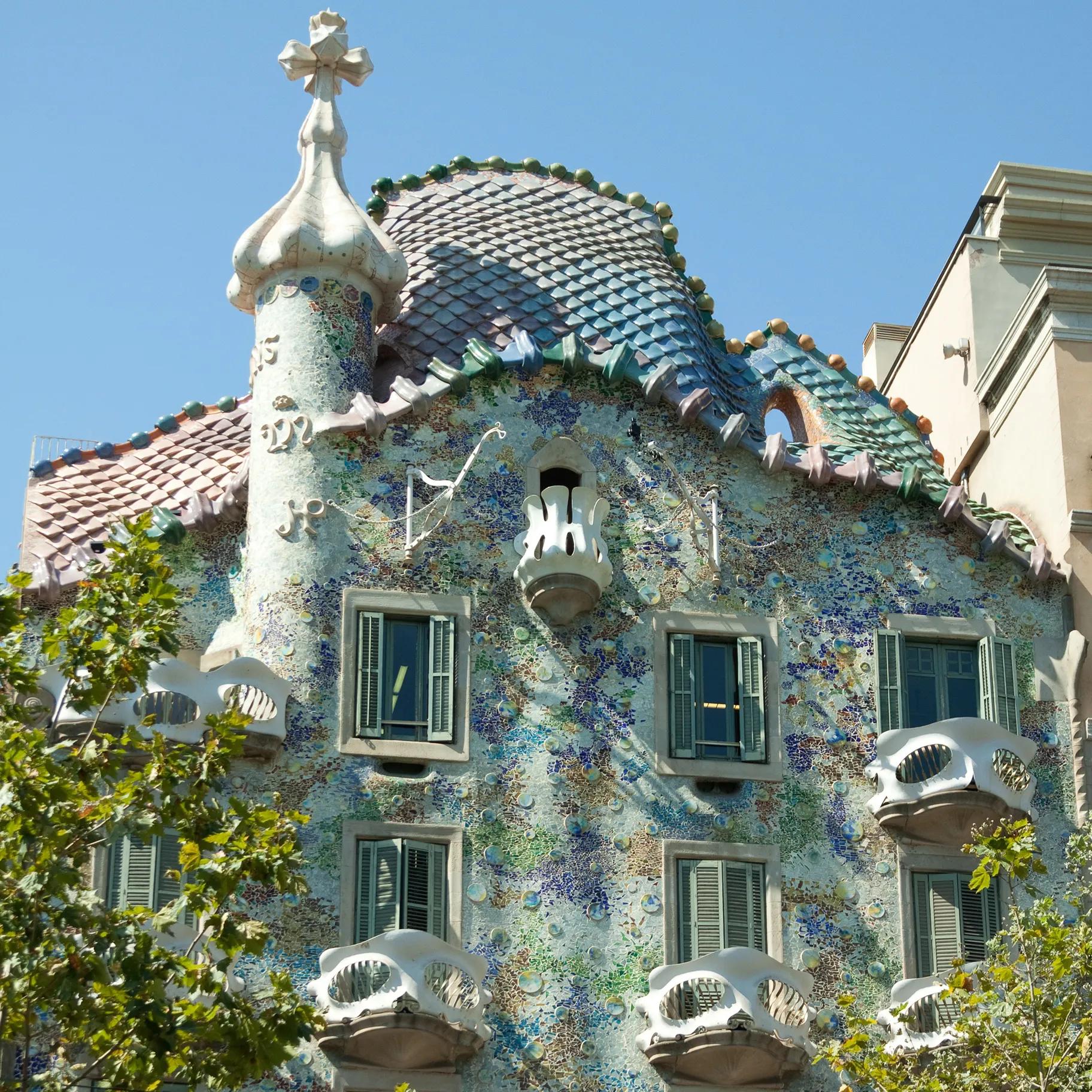
Arts & Culture
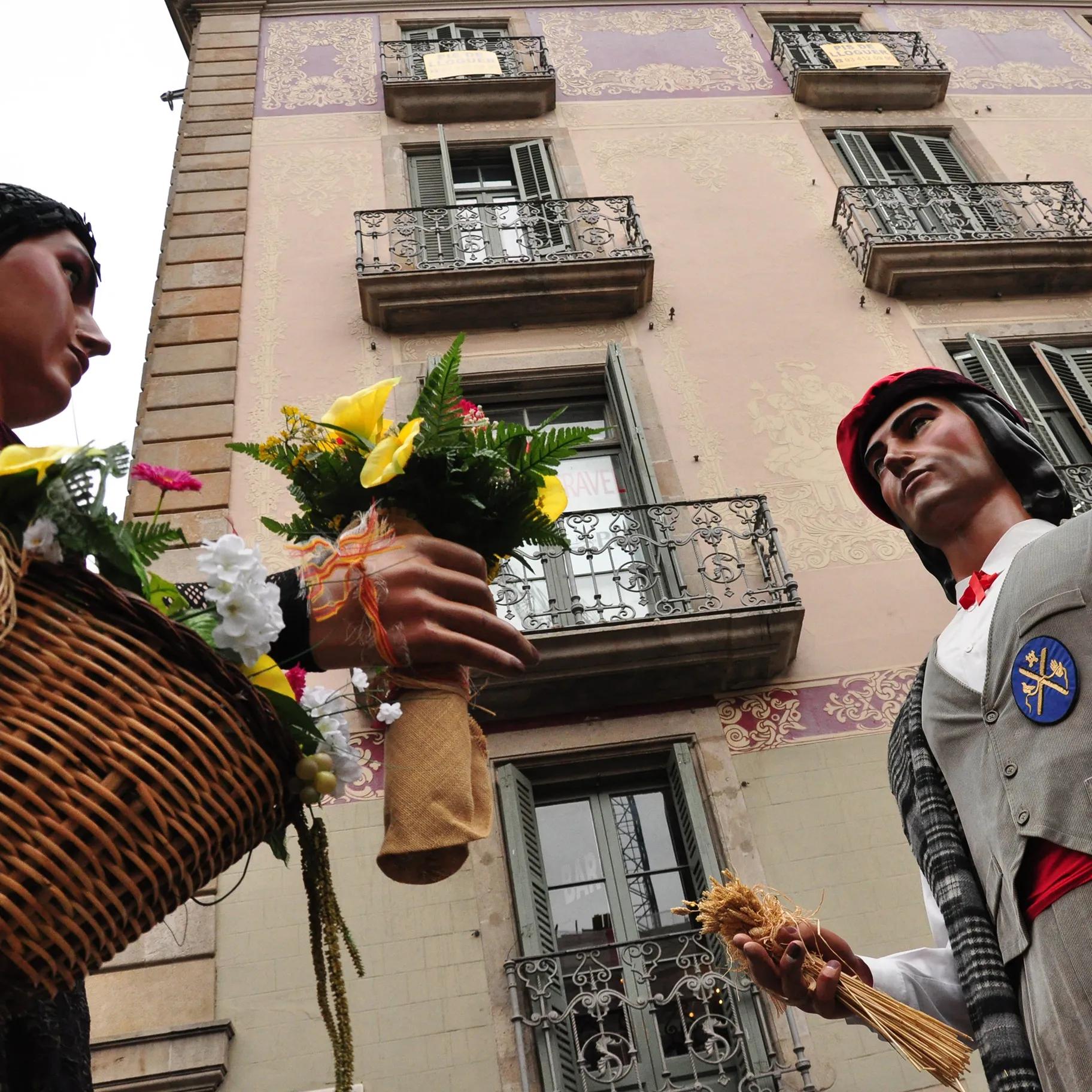
If you walk along the Passeig de Gràcia boulevard you can’t miss it: the colourful façade of Casa Batlló. The building’s frontage invites closer inspection. With its playful round windows and scaly roof, it has the aura of a fairytale castle. Its shapes and lines immediately reveal the identity of its creator: Antoni Gaudí, Barcelona’s most celebrated modernistic architect.
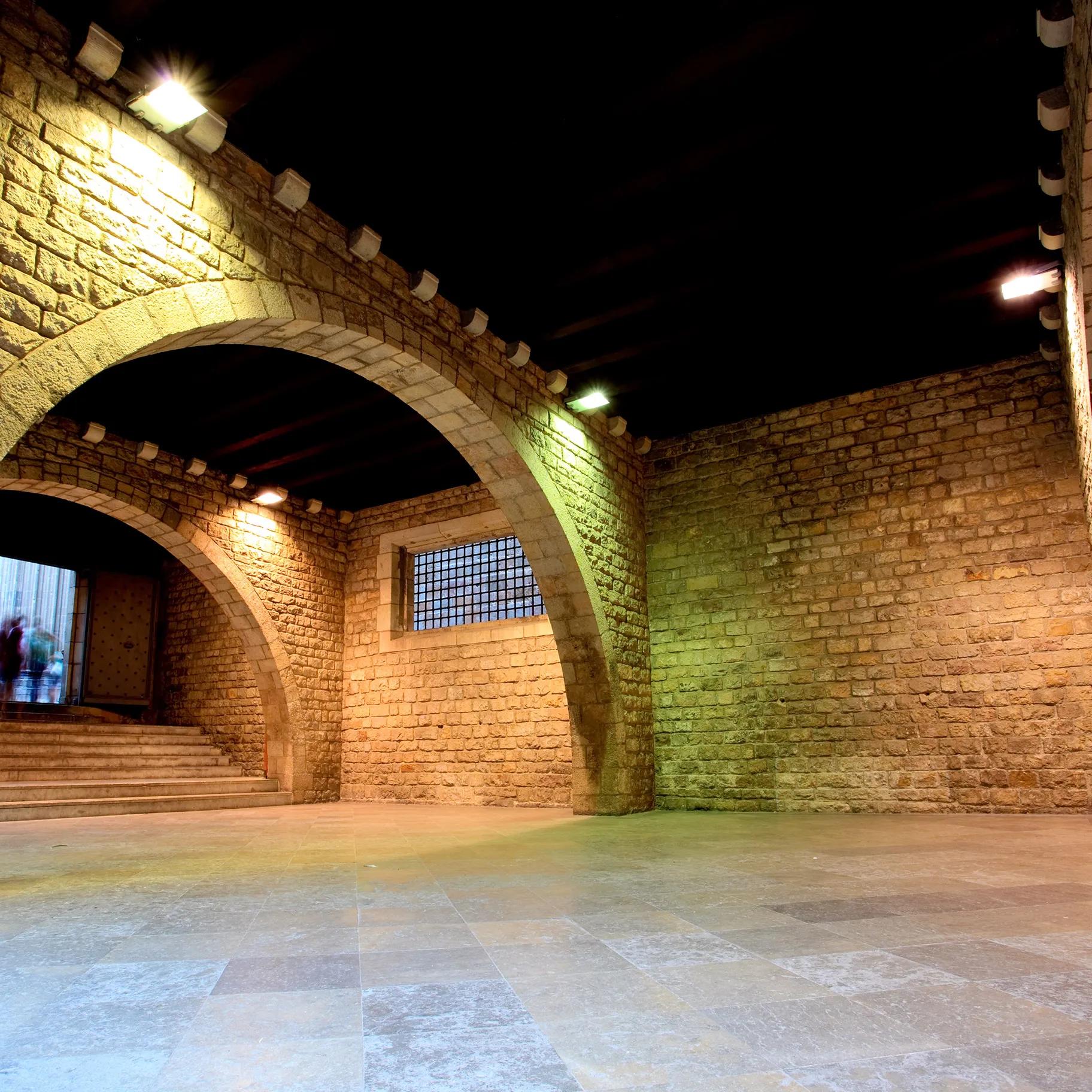
Discover other destinations in Europe
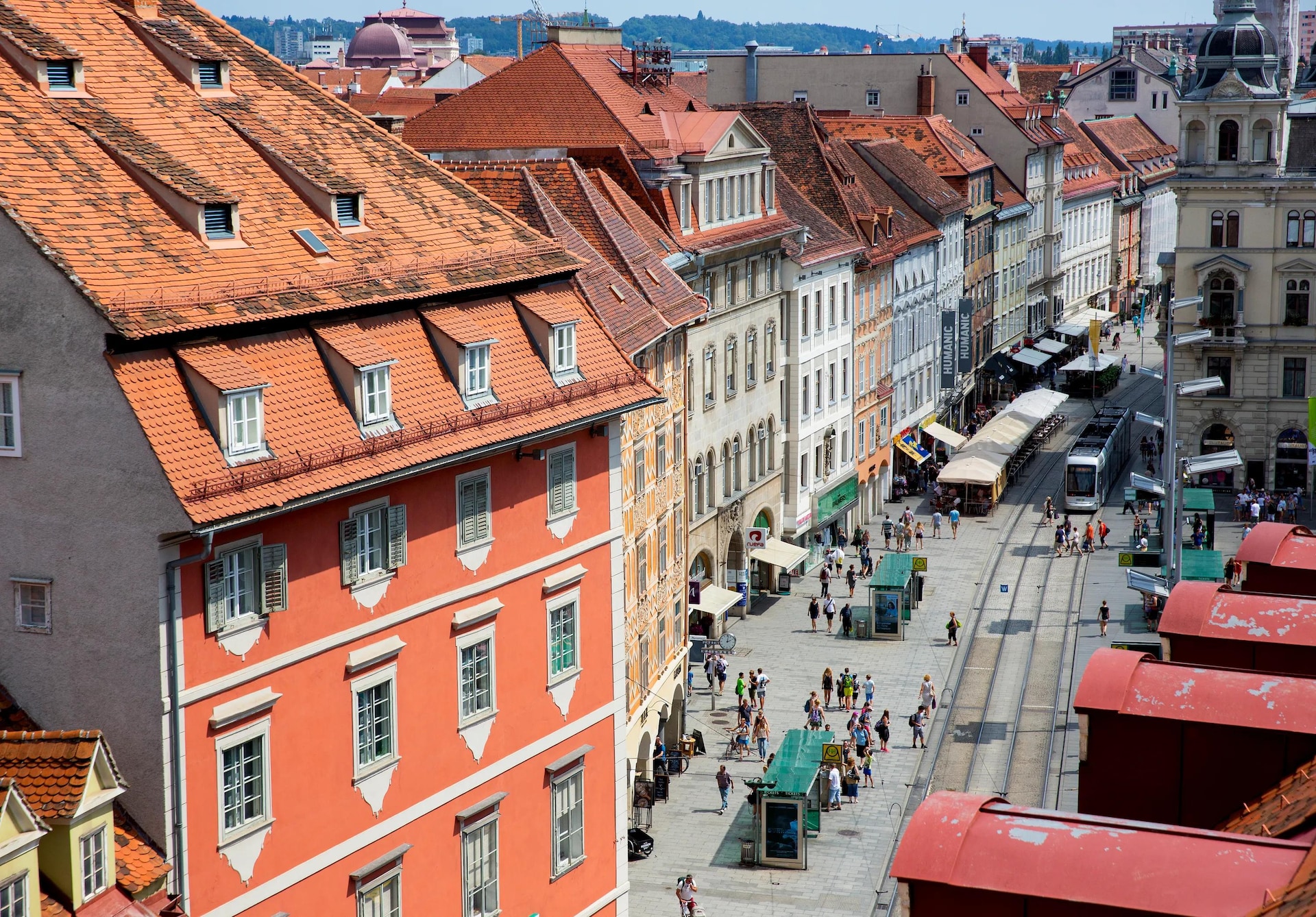
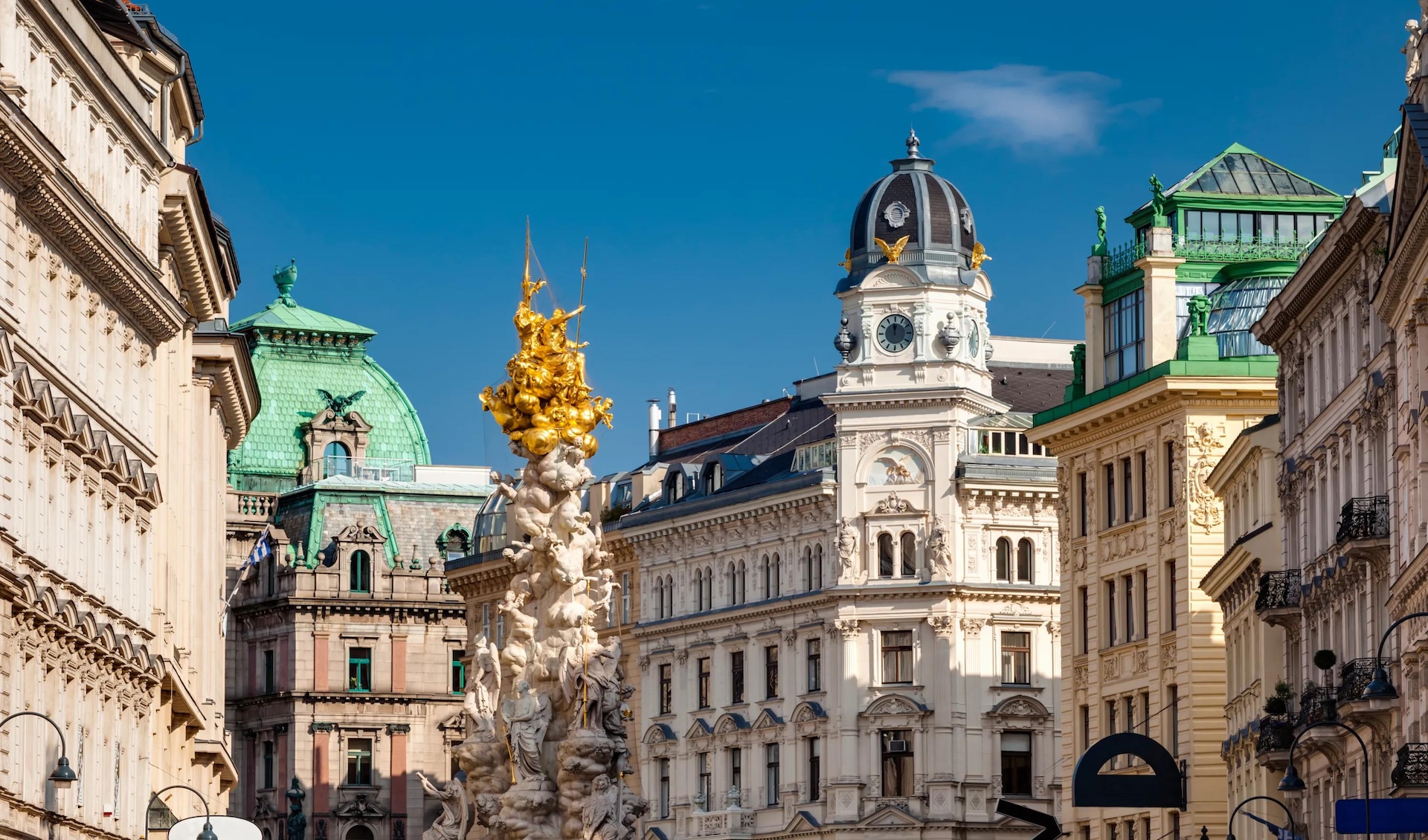
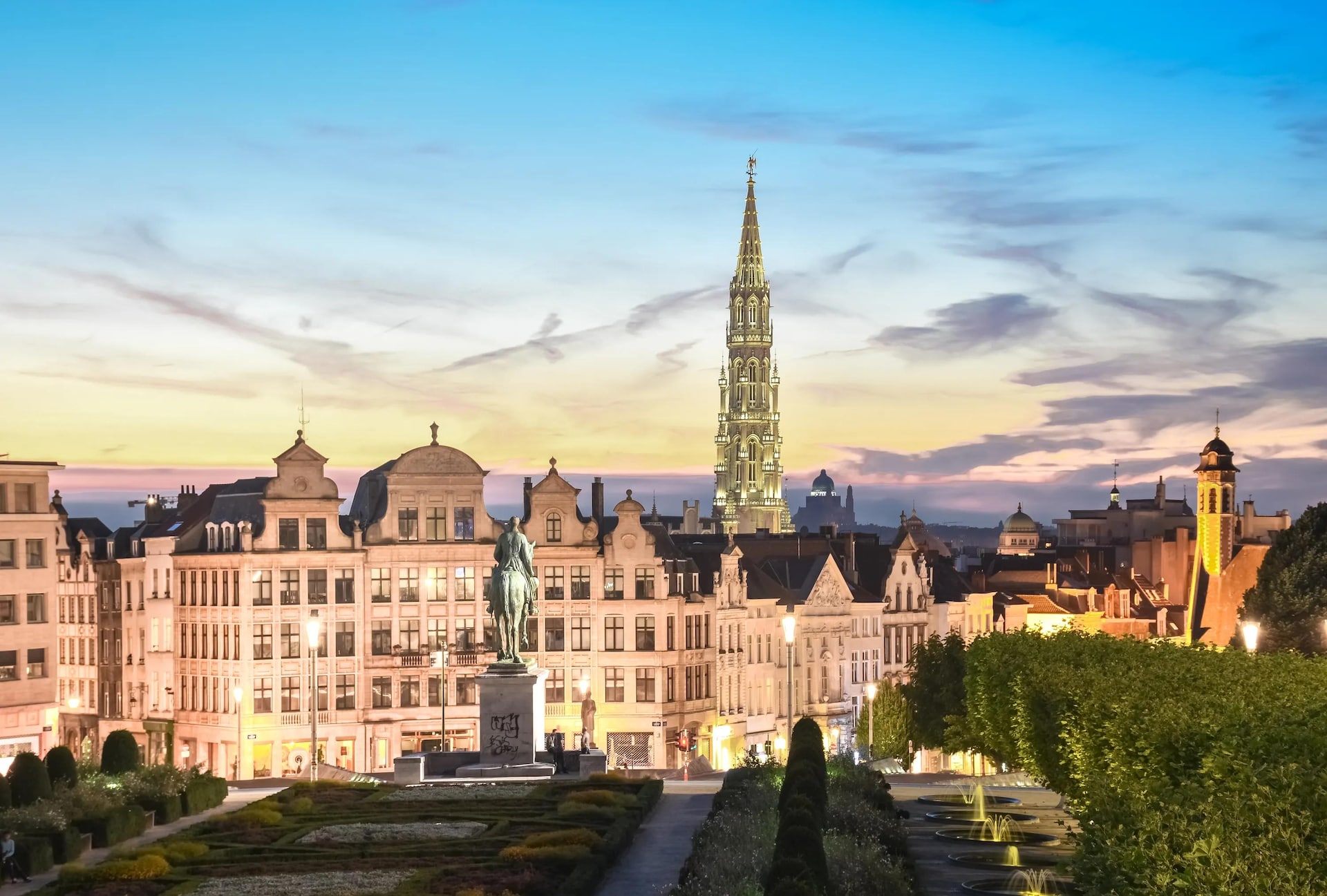
*The displayed prices are for one adult. All amounts are in EUR. Taxes and surcharges are included. No booking fee is applicable, but a payment surcharge may apply. Prices shown may vary depending on fare availability.
The weather forecast information is provided by World Weather Online. Air France-KLM is not responsible for the reliability of this data.